
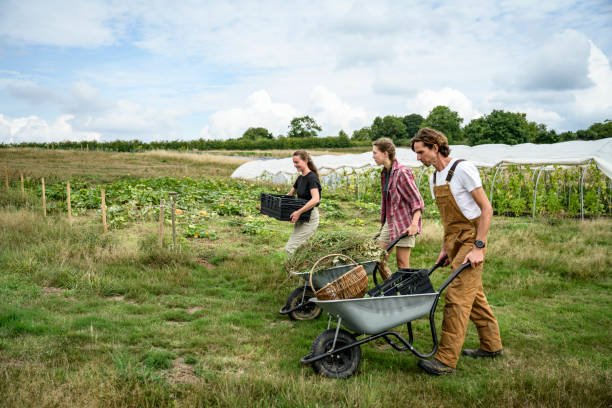
Why UK Farm Worker Jobs Are Attracting Global Applicants—Growing Labor Shortages in UK Agriculture
In recent years, significant labor shortages have been experienced within the agricultural sector of the United Kingdom. A reduction in the availability of domestic labor has been observed, particularly following major economic and political transitions. As a result, international workers have increasingly been relied upon to maintain food production and supply chains.
Agricultural businesses have reported persistent difficulties in recruiting sufficient local workers for planting, harvesting, livestock management, and food processing roles. Consequently, recruitment campaigns have been expanded beyond national borders. Foreign applicants have been actively encouraged to apply for farm worker positions, especially during peak harvesting seasons.
Government Recruitment Drives for Foreign Workers
To address workforce shortages, structured recruitment schemes have been implemented under government supervision. Through visa pathways such as the UK Home Office Seasonal Worker route, foreign nationals have been permitted to undertake temporary agricultural employment. Licensed scheme operators have been authorized to sponsor workers for short-term placements.
Recruitment drives have been intensified in 2026 due to increased demand in horticulture, poultry production, and dairy farming. These initiatives have been designed to stabilize food production while ensuring that worker rights and minimum wage protections are upheld.
Wage Increases in 2026
Wage increases have been introduced to attract more applicants. Adjustments to the UK Government minimum wage structure have resulted in higher baseline earnings for agricultural workers. In certain regions, hourly wages exceeding the National Living Wage have been offered to fill urgent labor gaps.
Bonuses, productivity incentives, and overtime pay structures have also been incorporated by many employers. As a result, farm work, which was once viewed as low-paying, has become more financially competitive.
Seasonal vs Permanent Agricultural Roles
Farm employment in the UK has been categorized into seasonal and permanent roles. Seasonal roles are typically associated with crop harvesting and planting cycles. Permanent roles are often linked to livestock management, machinery operation, and supervisory positions.
Both categories have presented earning opportunities, though higher pay has often been associated with skilled or supervisory positions.
Understanding the UK Agricultural Labor Market
Overview of the UK Farming Industry
The agricultural sector of the United Kingdom plays a vital role in national food security. Farming activities include crop cultivation, dairy production, poultry farming, sheep rearing, and greenhouse operations.
Large-scale commercial farms operate alongside smaller family-owned enterprises. Modern technologies, including automated irrigation systems and advanced harvesting equipment, have been adopted to improve productivity.
Key Agricultural Regions in the UK
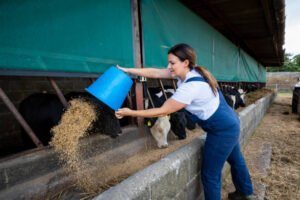
Agricultural employment opportunities have been concentrated in regions such as East Anglia, Kent, Lincolnshire, Scotland, and Herefordshire. Fertile soil conditions and favorable climates have supported extensive fruit, vegetable, and grain production in these areas.
Seasonal recruitment spikes have typically been recorded in these regions during planting and harvesting periods.
Impact of Brexit on Farm Labor Shortages
Following the UK’s departure from the European Union, changes in freedom-of-movement policies significantly affected the agricultural labor supply. Previously, many farm workers were recruited from EU member states. After policy shifts were introduced, visa requirements were imposed, leading to labor shortages.
To mitigate these shortages, visa schemes targeting non-EU workers were expanded.
Future Demand Trends for 2026 and Beyond
Demand for farm labor is expected to remain strong in 2026 and beyond. Climate adaptation, increased domestic food production goals, and export expansion strategies are likely to sustain hiring needs. Skilled farm managers and machinery operators are projected to be especially in demand.
Can Farm Workers Earn High Pay in the UK?
What “High-Paying” Means in Agriculture
In agricultural employment, “high-paying” typically refers to earnings exceeding the standard National Living Wage when overtime, bonuses, and accommodation benefits are included. Skilled roles may offer annual salaries between £28,000 and £45,000, while management roles may exceed £50,000.
Average Farm Worker Salary Ranges
Entry-level farm workers are often paid hourly rates aligned with the National Living Wage. In 2026, this rate has generally ranged between £11 and £13 per hour. Skilled machinery operators and livestock specialists have been offered higher hourly wages.
Overtime and Bonus Structures
During peak harvest seasons, extended working hours are common. Overtime pay, often calculated at 1.25 to 1.5 times the regular hourly rate, has been provided. Productivity bonuses may also be awarded for meeting harvesting targets.
Regional Wage Differences
Higher wages have frequently been offered in regions experiencing severe labor shortages. In some rural areas, employers have increased pay rates to attract reliable workers.
Types of Farm Worker Jobs in the UK
Fruit and Vegetable Pickers
Harvesting roles involve manual picking, sorting, and packaging of crops. While physically demanding, these positions have provided steady seasonal income.
Poultry Farm Workers
Workers in poultry farms are responsible for feeding, monitoring, and maintaining hygiene standards for birds. These roles are often year-round and may offer stable monthly salaries.
Dairy Farm Assistants
Milk production operations require early morning and late evening shifts. Dairy assistants manage feeding schedules, milking equipment, and livestock health monitoring.
Farm Machinery Operators
Operators of tractors, harvesters, and irrigation equipment are considered skilled workers. Higher wages are typically offered due to technical expertise requirements.
UK Seasonal Worker Visa (Primary Route for Farm Jobs)
Overview of the Seasonal Worker Visa
The Seasonal Worker visa has been administered under the supervision of the UK Home Office. This visa allows temporary agricultural work for up to six months in horticulture and poultry production.
Eligibility Requirements
Applicants must be at least 18 years old and must secure sponsorship from an approved scheme operator. Proof of sufficient funds and a valid passport are required.
Sponsorship by Licensed Scheme Operators
Only licensed operators approved by the government may issue Certificates of Sponsorship. Verification of sponsor legitimacy is strongly recommended before application submission.
Duration and Limitations
The visa is temporary and does not directly lead to permanent residency. However, experience gained may later support applications under skilled routes.
Skilled Worker Visa for Agricultural Roles
When Farm Jobs Qualify as Skilled Work
Certain agricultural roles, such as farm managers and agricultural engineers, may qualify under the Skilled Worker visa route if salary thresholds and skill level requirements are met.
Salary Threshold Requirements
A minimum salary threshold, as defined by immigration rules, must be satisfied. Higher thresholds may apply depending on occupation codes.
Settlement Possibilities
Unlike the Seasonal Worker visa, the Skilled Worker visa may provide a pathway toward Indefinite Leave to Remain after five years of continuous residence.
Accommodation and Benefits Provided by Employers
On-Site Housing
Many farm employers provide shared accommodation on-site or nearby. Rent may be deducted from wages but is typically offered at subsidized rates.
Utilities and Transportation
Utilities may be included in accommodation packages. In some cases, transportation to and from fields is arranged by employers.
Healthcare Access
Workers are generally required to pay the Immigration Health Surcharge, granting access to the National Health Service.
Working Conditions on UK Farms
Working Hours
Working hours may range from 35 to 60 hours per week during peak seasons. Rest breaks and weekly rest days are required by law.
Health and Safety Standards
Strict health and safety standards are enforced. Protective equipment must be provided by employers. Inspections may be conducted to ensure compliance.
Can Farm Work Lead to Permanent Residency?
Switching Visa Routes
Transitioning from a Seasonal Worker visa to a Skilled Worker visa is possible if a qualifying job offer is secured.
Indefinite Leave to Remain Pathway
Under the Skilled Worker route, Indefinite Leave to Remain may be applied for after five years, provided salary and residency requirements are satisfied.
Tips to Secure High-Paying Farm Jobs
Gaining Machinery Certifications
Certifications in agricultural machinery operation significantly increase employability and earning potential.
Applying Early
Applications submitted months before peak harvest seasons are more likely to be successful.
Improving English Proficiency
Strong communication skills enhance job performance and visa approval chances.

Conclusion: Is a High-Paying Farm Worker Job in the UK Worth It in 2026?
Farm worker jobs in the United Kingdom have evolved into structured employment opportunities offering competitive wages, legal protections, and potential career progression. While physical demands and rural living conditions may present challenges, financial stability and international work experience can be gained.
With proper preparation, verification of licensed sponsors, and understanding of visa pathways, high-paying farm work opportunities in 2026 can be successfully secured.
Overview of Farming in the United Kingdom and the United States
Farming in both the United Kingdom and the United States plays a critical role in national food security, rural employment, and export economies. However, significant differences can be observed in farm size, production methods, government support, labor systems, income levels, and technology adoption. These differences have been shaped by geography, policy frameworks, historical development, and market access.
Below, a detailed comparison is provided across key areas.
Farm Size and Structure
United Kingdom
In the United Kingdom, farms are generally smaller and more compact. The average farm size is significantly lower compared to the United States. Many farms are family-owned and have been passed down through generations. Land availability is limited due to the country’s smaller geographic size and dense population.
Mixed farming (combining crops and livestock) is commonly practiced. Large-scale industrial farms do exist, but they are less dominant than in the United States.
United States
In the United States, farms are typically much larger. The country’s vast landmass allows for extensive agricultural operations. Large commercial farms and agribusiness corporations operate thousands of acres of land.
Specialization is more common. For example, farms may focus exclusively on corn, soybeans, cattle, or dairy production. Mechanized, large-scale monoculture farming is widely practiced.
Key Difference: U.S. farms are generally larger and more industrialized, while UK farms are smaller and more diversified.
Climate and Geography
United Kingdom
The UK has a temperate maritime climate with moderate rainfall throughout the year. This climate supports pasture-based livestock farming, dairy production, and cereal crops such as wheat and barley.
Extreme weather events are less frequent, but limited sunlight and shorter growing seasons may affect productivity.
United States
The United States experiences a wide range of climates, from arid deserts to tropical and subarctic regions. This diversity allows for a broad variety of crops, including corn, soybeans, cotton, citrus fruits, and specialty crops.
States such as California, Texas, Iowa, and Florida are major agricultural producers due to favorable climates and land availability.
Key Difference: The U.S. benefits from greater climate diversity, enabling a wider range of agricultural products.
Government Support and Subsidies
United Kingdom
Farmers in the UK receive government support through national agricultural schemes. Historically, funding was provided under the European Union Common Agricultural Policy (CAP). After Brexit, domestic subsidy systems were introduced by the UK Government.
Environmental land management schemes now play a major role, rewarding farmers for sustainable practices and conservation efforts.
United States
In the United States, agricultural subsidies are administered through federal programs overseen by the United States Department of Agriculture (USDA). Subsidies often focus on major crops such as corn, soybeans, wheat, and cotton.
Crop insurance programs, disaster relief, and price support mechanisms are widely used to stabilize farm income.
Key Difference: Both countries provide subsidies, but U.S. support tends to focus heavily on large commodity crops, while UK support increasingly emphasizes environmental sustainability.
Income and Profitability
United Kingdom
UK farmers often face tight profit margins due to high land prices, labor costs, and strict environmental regulations. Income can vary significantly depending on farm size, diversification, and access to direct sales markets.
Smaller farms may rely on government subsidies to remain financially viable.
United States
American farmers may generate higher gross revenues due to larger production scales. However, operational costs—including machinery, fuel, labor, and insurance—can also be substantial.
Large agribusinesses often benefit from economies of scale, allowing higher productivity and potentially greater profits.
Key Difference: U.S. farms generally produce higher volumes and revenue, while UK farms may rely more on subsidies and niche markets.
Labor Systems
United Kingdom
The UK agricultural sector relies heavily on seasonal migrant labor, particularly for fruit and vegetable harvesting. Workers are commonly recruited under the Seasonal Worker visa scheme administered by the UK Home Office.
Labor shortages have been a significant issue in recent years.
United States
In the United States, farm labor is often supplied by migrant workers, many of whom are employed under the H-2A temporary agricultural worker program. This program is regulated by the United States Citizenship and Immigration Services (USCIS).
Labor availability varies by region, and workforce costs can differ significantly between states.
Key Difference: Both countries depend on migrant labor, but visa systems and wage structures differ.
Technology and Mechanization
United Kingdom
Modern technology is used widely in UK agriculture, including GPS-guided tractors, automated milking systems, and precision farming tools. However, farm size may limit the scale of technological investments.
Sustainability-focused technologies are strongly encouraged.
United States
The United States is a global leader in agricultural technology. Advanced mechanization, genetically modified crops, large-scale irrigation systems, and artificial intelligence tools are widely implemented.
Major agritech companies are headquartered in the United States, driving innovation.
Key Difference: U.S. farms typically adopt technology at larger scales due to size and capital investment capacity.
Environmental Regulations
United Kingdom
Environmental standards are strict. Farmers must comply with sustainability measures, biodiversity protection policies, and emissions reduction targets. Government incentives are provided for eco-friendly farming practices.
United States
Environmental regulations vary by state but are generally less centralized than in the UK. Federal guidelines exist, but enforcement and requirements may differ regionally.
Key Difference: The UK places stronger emphasis on environmental land management schemes.
Export and Trade
United Kingdom
The UK exports products such as lamb, dairy, and specialty crops. However, it imports a significant portion of its food supply.
Trade agreements have become more complex following Brexit.
United States
The United States is one of the world’s largest agricultural exporters. Corn, soybeans, beef, and wheat are exported globally.
Strong trade agreements and large production capacity support export dominance.
Key Difference: The U.S. is a major net exporter of agricultural products, while the UK is more import-dependent.
Cultural and Historical Context
United Kingdom
Farming in the UK is often deeply tied to heritage and tradition. Many farms have been family-owned for generations. Rural landscapes are closely associated with cultural identity.
United States
American farming has evolved into a combination of family farms and corporate agribusinesses. While family farms remain important, large commercial operations are prominent.
Summary Comparison
| Area | United Kingdom | United States |
|---|---|---|
| Average Farm Size | Smaller | Larger |
| Climate Diversity | Moderate | Wide range |
| Government Support | Environment-focused | Commodity-focused |
| Technology Scale | Moderate | Large-scale |
| Export Volume | Moderate | Very high |
| Labor Dependence | Seasonal migrant labor | H-2A migrant labor |
Farmers in the United Kingdom and the United States operate within distinct economic, environmental, and structural frameworks. While UK farming is characterized by smaller operations, sustainability policies, and high regulatory standards, U.S. farming is defined by scale, mechanization, and global export strength.
Both systems face challenges, including labor shortages, climate change, and fluctuating market prices. However, opportunities for growth and innovation remain strong in both countries.
If desired, a deeper comparison can also be provided focusing specifically on farm worker wages, visa systems, or profitability levels.
